


문화/생활
지난해 11월 열린 G20 정상회의는 한국이 개최한 사상 최대 규모의 국제행사였음에도 불구하고, 중견기업이 개최한 주주총회에 비할 만큼 순조롭게 치러졌다. 이명박 대통령은 G20 정상회의 직후 라디오 연설에서 성공적인 G20 정상회의 개최로 한국이 세계를 선도하는 일류국가가 될 수 있는 기초를 마련했다고 강조했다.
세계에서 가장 영향력 있는 국가 지도자들이 한국에서 열린 회의에 참석했다고 해서 그 자체로 당장 정부가 추산한 만큼의 엄청난 경제적 가치를 창출했다고 보기는 힘들겠지만, 한국 국민들로서는 세계경제의 주도권이 기존 강대국에서 한국을 포함한 신흥 경제권으로 넘어가는 역사적 현장을 자국에서 목격한다는 흔치 않은 소중한 경험을 하게 되었다.
작년 한 해 동안의 경제 성적표도 성공적이었다. 연간 규모 1조 달러에 육박하는 한국 경제는 8년 만에 가장 높은 성장률을 기록하면서 세계 경제위기가 고조됐던 2008-2009년 사이에 사라졌던 일자리를 대부분 다시 창출할 수 있었으며 세계 수출 시장에서는 꾸준히 점유율을 확대해 나갔다. 올해에도 지금까지는 과열까지는 아니지만 경제가 순항을 하고 있다.
세계 현대사에서 가장 괄목할 만한 산업화를 이루어 낸 지 한 세대 만인 1990년대 후반에 맞이한 국가부도 사태를 신속히 극복함으로써 눈길을 끈 바 있는 한국민들에게 2010년은 그야말로 뜻깊은 한 해가 되었다. 그러나 시간은 절대 멈추지 않는다.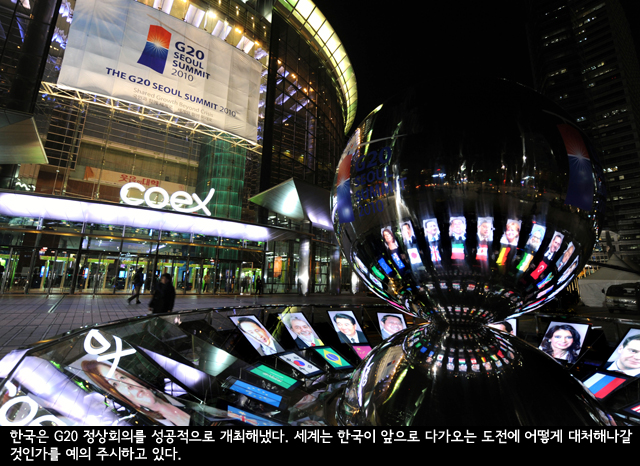
이미 한국은 많은 도전에 직면하고 있으며 지금까지 불가사의한 업적을 이루어 냈다는 것은 크게 중요치 않다. 그중 몇 가지만 소개하자면, 우선 급속한 인구 고령화로 향후 경제성장을 지속하기가 점점 더 어려워질 전망이다.
이러한 상황 속에서 비효율적인 국내 정치 문화는 국가적 도전 극복에 충분한 지원을 제공하지 못할 것이라는 우려가 높다. 또 북한에 급변사태가 발발할 경우 그 영향으로 한국 경제는 수십 년은 몰라도 상당 기간 과거로 후퇴할 수 있는 위험에 처해 있다.
한국전쟁의 잿더미에서 출발해 급속한 산업화를 이룩하는 과정에서 일본의 성공 사례가 큰 도움이 되었던 것처럼 한국은 일본이 빠른 인구 고령화에 대처하지 못한 사례에서 배울 점이 많다.
단 한 세대 만에 세계 2위 경제국으로 부상한 일본이 몇 년 안에 미국을 추월하고 세계 최대 경제국으로 부상할 것으로 보였던 때가 있었다. 그러나 감소 추세에 들어선 인구 문제 등에 대한 정책적 대응에 연이어 실패함으로써 일본은 세계 최대 경제국으로 부상하는
꿈이 무산된 것에서 그치지 않고 급기야 중국에 2위 자리마저 내주는 상황에 처하게 되었다.
한국은 이미 급속한 인구 고령화가 진행 중이며 경제협력개발기구(OECD) 회원국 중 가장 낮은 출생률로 인해 곧 절대인구가 감소하기 시작할 것으로 예상된다. 오늘날의 젊은 한국인들은 앞으로 노인인구 부양을 위해 소득의 점점 더 많은 부분을 지출해야 할 것이며 그에 따라 경제성장을 유지하기 위한 투자여력은 그만큼 감소하게 될 것이다.
자동차, 전자제품, 반도체 및 선박에 이르기까지 한국 기업들은 세계적인 제조업체로 부상했지만 이들은 수년내에 급성장하고 있는 중국, 인도 등 신흥국 기업들로부터 중대한 도전에 직면할 것으로 보인다.
이런 상황에서 한국 국내 서비스업 부문은 생산성 면에서 선진국에 크게 뒤져 있으며 각종 보호정책을 폐지하고 경쟁을 도입하기 위한 정부의 야심찬 계획들은 기존 업계의 강력한 저항과 정치권의지원 부족으로 성과를 내지 못하고 있다. 한국 근로자들은 똑같은 양의 부가가치 창출을 위해 선진국들보다 더 오랜 시간 노동을 해야만 하는 실정이다.
끝으로 세계에서 가장 예측하기 힘든 정권인 북한이 바로 이웃에 있다는 사실에서 오는 위험은 아무리 강조해도 지나치지 않을 것이다. 국제 신용평가기관들은 오랫 동안 이 점을 한국 신용등급 제약 요인으로 꼽고 있다. 많은 전문가들이 한반도가 조만간 전면전에 휩싸일 가능성은 높지 않은 것으로 보고 있지만 현재 한반도의 긴장은 전후 최고조에 이르러 있는 상황이다.
이명박정부는 최소한 전 세계 투자자들에게 한국이 현재의 상황을 관리하고 최악의 상황에 대비할 능력이 있음을 확신시켜야 할 것이다.
물론 아시아 최대 시장의 하나인 서울 주식시장에서 외국인 투자자들은 시가총액 기준으로 전체 주식의 3분의 1 정도를 보유하고 있으며 채권시장에서도 외국인들은 한국 국채를 지속적으로 매입하고 있다. 한국이 이 같은 도전을 어떻게 극복할지 전 세계가 지켜보고 있다. 그리고 많은 투자자들은 결국 한국이 그들이 추구하는 수익을 창출해 줄 것으로 믿고 있는 듯하다.
Latest success behind, South Korea faces yet more challenges
It was the biggest global event in history that South Korea has ever hosted on its own soil but went on almost as smoothly as a shareholders’ meeting at an established company. President Lee Myung-bak rightly emphasized in a radio address right afterward that the successful hosting of the G20 summit last November has set the stage for the country to become a leading and top-notch country.
Hosting leaders from a dozen of the world’s most influential economies itself may not have added as much financial value to the economy as Lee’s government once calculated, but South Koreans had a rare opportunity to eyewitness a historic shift in world power toward emerging economies to which they themselves belong from the few rich nations.
Economic score cards also look strong for that very year -- the nearly $1 trillion economy expanded by the fastest clip in eight years, recovering most if not all the jobs lost during the 2008-2009 peak of the global financial crisis and boosting the country’s share in global export markets. The economy continues on a smooth sailing so far this year, if not on an overheating stage.
It was indeed a remarkable year for South Koreans already credited for quickly overcoming its own foreign exchange crisis in the late 1990s that had put the country effectively in insolvency a generation after achieving one of the fastest industrialisation in modern world history from the ashes of a war. But time never waits.
Many more challenges lie ahead for South Korea, and it does not much matter whether or not its achievement so far was miraculous:
to name a few, the quickly aging population means it will be much harder to keep the economy expanding; the inefficient domestic political system may fall short of providing sufficient support for dealing with challenges; and a potential instability in North Korea may cause problems eventually taking the South Korean economy years if not decades backward.
Just as Japan was a good example to follow in its economic rise from the debris of the 1950-1953 war, South Korea has much to learn from where the giant but aging neighbour has failed. Japan’s astonishing rise to the world’s second position in a generation once made it look like a matter of years before it takes over the then old United States.
But one policy mistake after another in the face of a shrinking population has not only disrupted its rise to the world’s top post but allowed China to take its existing post.
South Korea’s population is growing old very quickly and looks set to begin shrinking soon as it has one of the lowest birth rates among the Organisation for Economic Co-operation and Development member states. South Korean teenagers today will have to spare an ever increasing proportion of their income in the future to support the increasing number of the elderly, finding less to spend on keeping the economy growing.
The country is home to leading global players in sectors ranging from computer chips and ships to cars and electronic gadgets, but it could be a matter of years rather than decades when their dominance in existing markets will face serious challenges from fast-growing brand names from China and India. Its domestic service sector lags far behind that in the advanced countries in terms of productivity as the ambitious plans by the government to remove more of the protective measures and introduce more competition continue to fail in the face of strong resistance from the existing companies and a lack of sufficient support from the domestic political community. South Koreans are working for far more hours than those in the advanced countries to achieve the same unit of output.
The risk from living next door to the world’s most unpredictable regime in North Korea can never be overstated - and it has been the main drag on South Korea’s credit ratings throughout its history.
Tensions are now at one of their highest levels since the war, although experts play down the chances of an immediate escalation into a second war. The government of President Lee Myung-bak needs to at least assure investors from around the world that his country has the ability to manage the situation and prepare for the worst.
Foreign investors own one third of the South Korean stocks traded on the main board, one of the largest in the region, and are boosting their holdings in the country’s government bonds. The whole world is watching how South Korea will deal with these challenges - and many of the global investors seem to bet the people of South Korea will deliver the rewards they are looking for.


K-공감누리집의 콘텐츠 자료는 「공공누리 제4유형 : 출처표시 + 상업적 이용금지 + 변경금지」의 조건에 따라 자유롭게 이용이 가능합니다. 다만, 사진의 경우 제3자에게 저작권이 있으므로 사용할 수 없습니다. 콘텐츠 이용 시에는 출처를 반드시 표기해야 하며, 위반 시 저작권법 제37조 및 제138조에 따라 처벌될 수 있습니다.
[출처] K-공감누리집(gonggam.korea.kr)